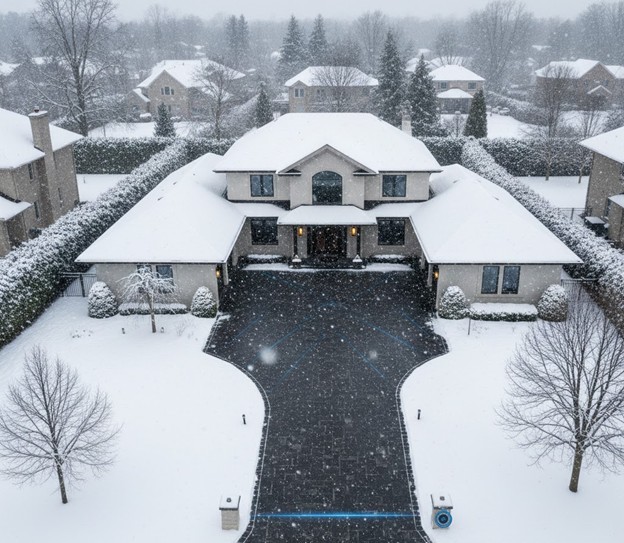
Winter weather brings a familiar pattern to many homes. The first snowfall looks peaceful, but it often leads to long mornings spent shoveling heavy drifts, spreading salt, and worrying about ice on steep drives or walkways. A Driveway Snowmelt System removes much of this routine effort by using controlled heat beneath the surface to keep outdoor areas clear. The idea is straightforward, but the technology behind it is more structured than many homeowners realize. Understanding how these systems work helps property owners decide whether they offer a useful long-term solution.
The Core Concept
A modern Driveway Snowmelt System works by circulating heated fluid through a network of tubes or by using electric heating elements installed under the driveway surface. When the snow begins to fall or temperatures drop near freezing, the system activates and warms the surface layer just enough to prevent accumulation. The goal is not to create a hot driveway. Instead, it maintains a steady temperature that keeps snow from bonding and ice from forming. This controlled and consistent heat is what makes the system reliable throughout the winter season.
Hydronic systems are the most common type of heated driveway. They use a boiler to warm a water and glycol mixture. The heated fluid flows through durable tubing laid out in gentle loops beneath the driveway. This method spreads heat evenly, which is especially useful for large areas or long driveways.
Electric snowmelt systems use resistance cables to achieve the same effect. These cables produce heat when electricity flows through them. They are often chosen for smaller spaces or locations where a boiler is not practical.
Both systems rely on dependable sensors that track outdoor temperature and moisture. These sensors help the system respond at the right time without constant monitoring by the homeowner.
How the Heat Travels
Hydronic snowmelt systems move heat through radiant transfer. As the warm fluid travels through the tubing, it releases heat upward through the driveway slab. Concrete is the most common surface because it stores and transfers heat well. Some systems can be used under pavers or asphalt, but concrete offers the most stable performance.
The warmed surface does not need to reach a high temperature. A difference of a few degrees above freezing is enough to keep snow from staying in place. This low, controlled level of heat allows the system to run efficiently. It also reduces the wear that comes with repeated freeze and thaw cycles.
Electric systems use direct heat from the cables. The heat rises through the layers of the driveway until it reaches the surface. These systems are simpler to install but are better suited for smaller areas because they require electrical capacity that may not be available in every home.
Why Snowmelt Matters for Safety
A Driveway Snowmelt System improves safety in ways that are noticeable each winter. Clear surfaces reduce the chance of slips and falls. Homeowners avoid using salt and ice melt products that often damage concrete, harm plants, and leave residue on shoes. Vehicles gain better traction when leaving or entering the property, especially on sloped driveways.
Children, older adults, and guests benefit from consistent access to safe walkways. Many homeowners appreciate the peace of mind that comes from knowing the driveway will stay usable even during a heavy storm or deep freeze.
Efficiency Considerations
Modern snowmelt systems are designed to use energy carefully. Hydronic systems tend to offer better long-term efficiency for larger driveways because the boiler can heat large volumes of fluid without significant loss. Electric systems operate efficiently in small areas such as pathways, porches, or steps.
Automatic sensors reduce unnecessary operation. Instead of running constantly, the system activates only when moisture and low temperatures occur together. This feature keeps energy use aligned with actual weather conditions.
Professionally installed systems include insulation beneath the tubing or cables. The insulation pushes heat upward and minimizes heat loss into the ground, which helps the system maintain its temperature with less effort.
Installation Overview
Installing a Driveway Snowmelt System requires planning and professional workmanship. For new construction, the process begins after grading the site. Tubing or cables are laid in a specific pattern, tied securely, and tested for proper pressure or electrical performance. Concrete is then poured over the system in a uniform layer.
For an existing driveway, replacement is usually necessary. The old surface is removed so the tubing or cables can be installed with correct spacing and insulation. Although the process takes time, homeowners often choose to combine it with other improvements such as drainage upgrades or structural repairs.
Because the system becomes part of the driveway itself, proper installation is essential. A qualified contractor ensures the correct layout, safe boiler placement, electrical compliance, and long-term reliability.
Winter Reliability
A dependable Snowmelt System operates quietly in the background regardless of storm timing or temperature fluctuation. There are no moving parts on the surface, no risk of mechanical failure from snowplows, and no need for the homeowner to react during a storm. This steady reliability is one reason many homeowners view the system as a long-term investment rather than a seasonal convenience.
Routine annual maintenance helps keep the system operating at peak capacity. Hydronic systems require periodic fluid checks, boiler inspection, and verification of pump performance. Electric systems require basic electrical review to ensure stable output.
Long Term Benefits
The most valued benefit is the removal of winter labor. Homeowners who once spent hours clearing snow can now focus on other responsibilities. The driveway stays clear even when storms arrive overnight.
Another advantage is the preservation of the driveway surface. Without salt, sand, or mechanical scraping, the concrete remains in better condition for many years. Reduced freeze and thaw cycles also lower the risk of cracks.
Property value may increase when a home features a reliable Driveway Snowmelt System, especially in regions with long winters.
A Clear Ending
A well designed and properly installed Driveway Snowmelt System provides dependable winter protection, reduced maintenance, and safer access to the home. Its steady performance helps homeowners avoid the stress and physical strain of winter storms. For those planning renovations or new construction, considering a radiant snowmelt solution can bring long lasting comfort and convenience.
For professional installation and guidance, contact Harris-Dudley Co. at +1 801-363-3883.
Call now to schedule your driveway snowmelt consultation.